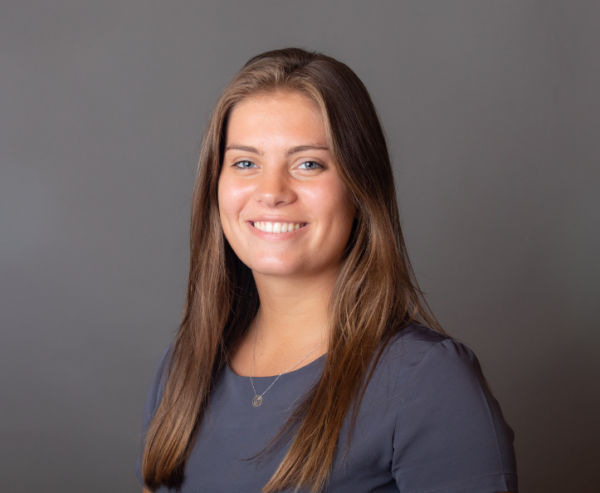
Congratulations to Monika Buczak for passing the biomedical engineering qualifying exam in neural engineering! As a part of the BME Ph.D. program, students must demonstrate expertise in the subject matter within their track specialization (e.g., neural engineering). After completing the relevant coursework, they meet this requirement by passing an extensive 8-hour written qualifying exam. This is a long and grueling exam, but also marks Monika’s final requirement to earn her milestone M.S. degree in Biomedical Engineering!
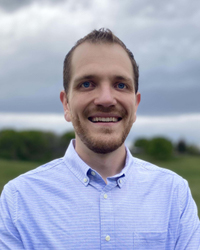
Congratulations to Connor Olsen for passing his Ph.D. qualifying exam!
Utah NeuroRobotics Lab Commends Exceptional High School Researchers
The Utah NeuroRobotics Lab recently welcomed two exceptional high school students, Mingchuan Cheng from West High School and Sophie Nelson from Murray High School, as participants in the College of Engineering’s Summer Research Internship program. Cheng and Nelson made impressive strides in their research project titled “Classification of Activities of Daily Living from Muscle Activity,” with the culmination of their efforts showcased at a symposium on August 4th, 2023.
Their innovative study focused on the classification of activities of daily living (ADL) based on muscle activity data collected from the wrist, forearm, and bicep. This research could have far-reaching implications for fields such as assistive technology and rehabilitation medicine.

Abby Citterman Wins 3rd Place in EMBC Student Paper Competition!
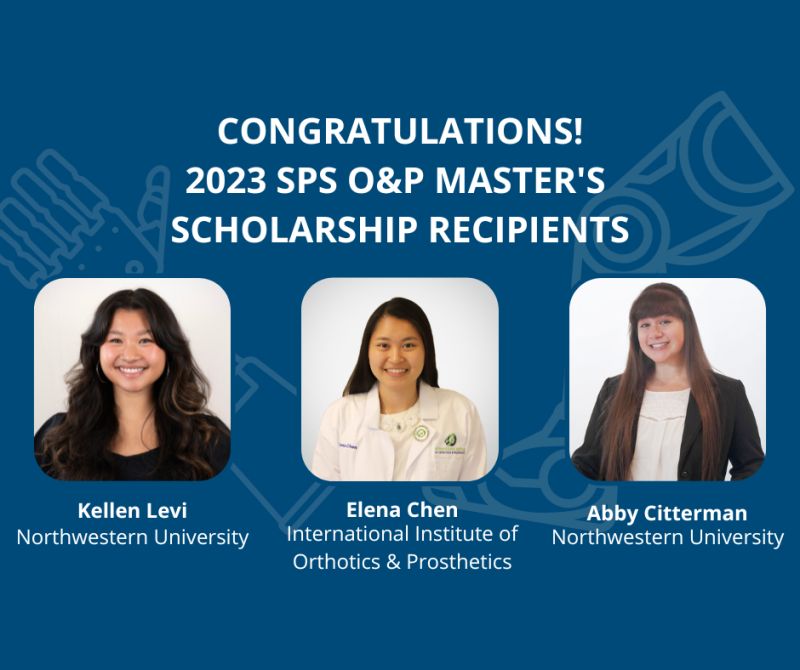
Abby Citterman Awarded O&P Scholarship
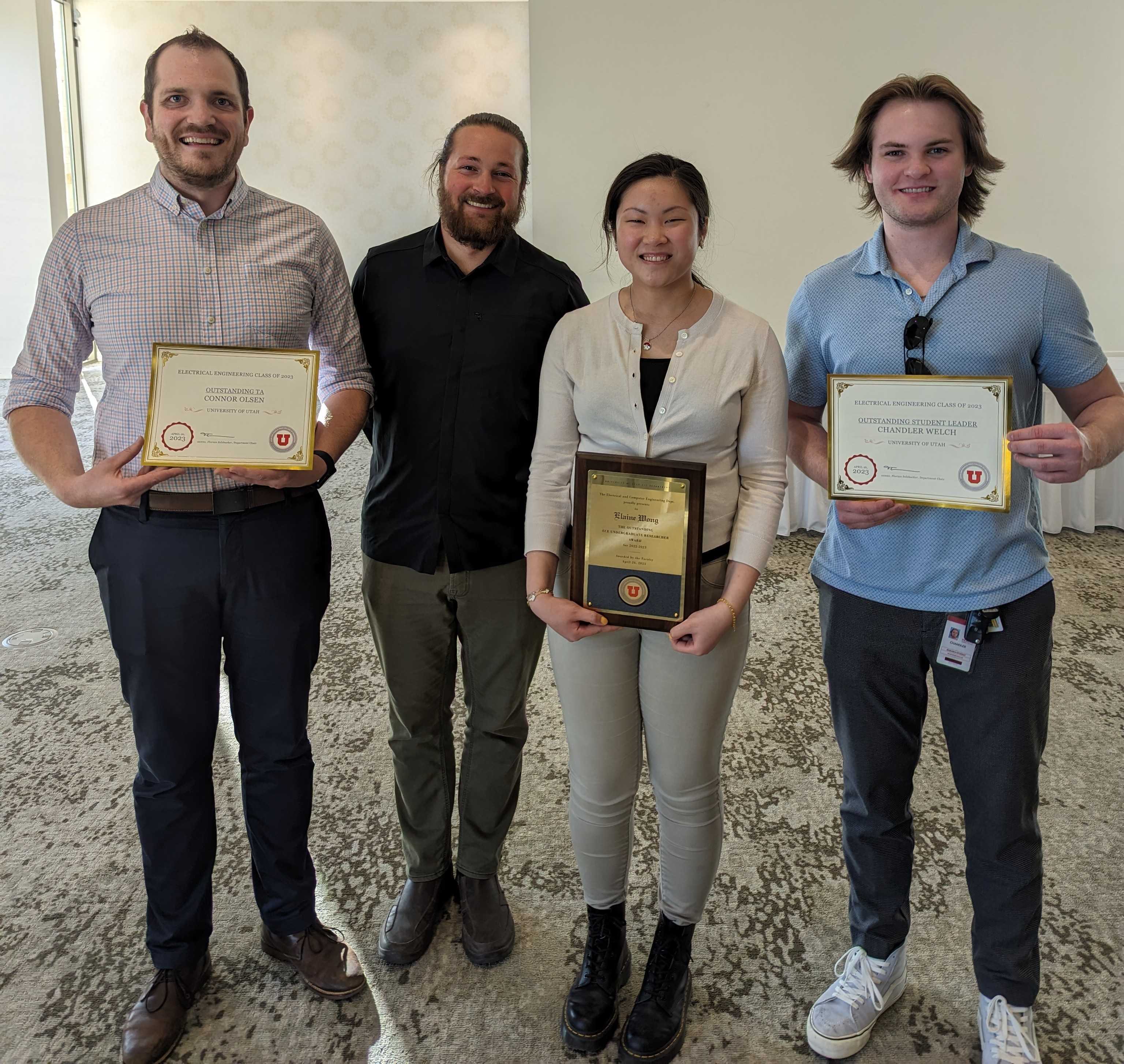
Three ECE Student Awards!
Josh Gubler and Sam Lewis Receive UROP Fellowships for Summer 2023
Congratulations to Josh Gubler and Sam Lewis, who have been awarded UROP Fellowships for the Summer 2023 semester. The Undergraduate Research Opportunities Program (UROP) allows students to assist with faculty research or to carry out their projects under the guidance of a faculty member.
Josh’s project will focus on the compression of EMG for mobile use while also examining the impact of downsampling EMG signals on signal controllability. Sam’s project will investigate the effects of different-sized dry surface electrodes on the quality of EMG signals measured at the wrist.
The UROP Fellowship provides a $1,200 stipend and educational programming for students, allowing them to gain valuable research experience while receiving financial support. We are thrilled to see Josh and Sam receive this well-deserved recognition for their dedication and hard work. We wish them all the best as they embark on their research projects this summer, and we look forward to seeing the results of their work in the future. Congratulations, Josh and Sam!
Three NSF GRFP Scholars!
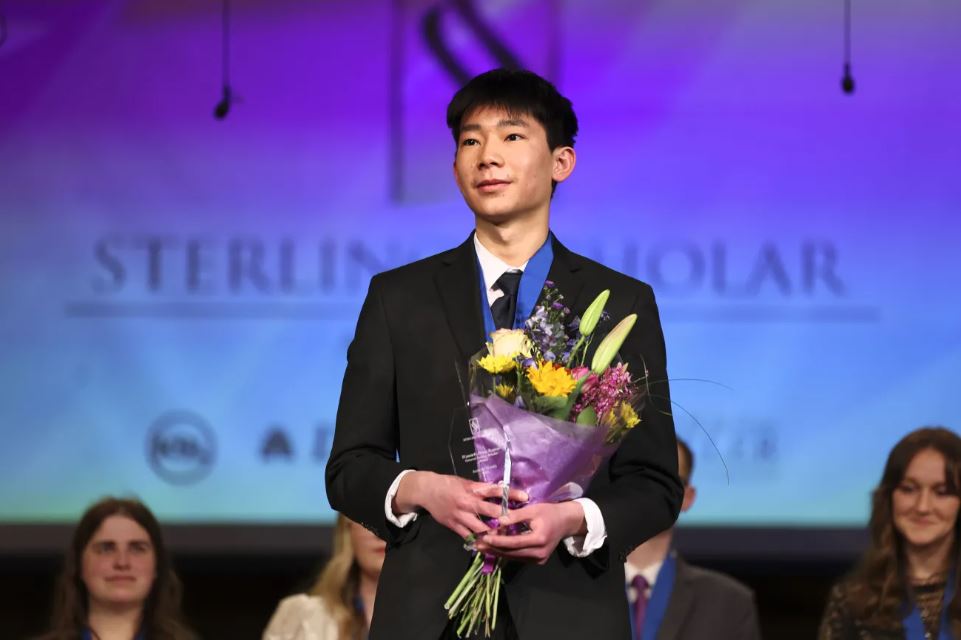
Aaron Wang Named General Sterling Scholar for Utah 2023
With great pleasure, we congratulate Aaron Wang, a senior at Skyline High School, on being awarded the prestigious General Sterling Scholar Award on March 22, 2023. This is a remarkable achievement and a reflection of Aaron’s hard work and dedication to his studies.
Aaron’s sterling scholar award is a testament to his academic excellence, and we are proud to have him as a research assistant in the Utah NeuroRobotics Lab at the University of Utah. Aaron’s work in our lab has been exceptional, and we have been impressed with his ability to apply theoretical concepts to real-world problems.
As a paid research assistant, Aaron has been working on methods to align training data to improve machine learning approaches to use electromyography to control smart home environments. Aaron recently submitted a first-author conference proceeding for his work, which is an incredible achievement, and we believe that it reflects Aaron’s hard work in the field of machine learning and robotics.
On behalf of the Utah NeuroRobotics Lab, we would like to extend our sincerest congratulations to Aaron on this remarkable achievement. We are proud of his accomplishments and are confident that he will continue to excel in his academic and research pursuits.
Michael Adkins awarded a $160K NIH Fellowship
Graduate student Michael Adkins was awarded a $160,000 fellowship from the NIH to span two years, which he will use to focus on developing a device to quantify the fine motor function of patients who have experienced stroke — the Electronic Grip Gauge (EGG).
“Ideally, this will allow for physicians and their patients to use the more accurate assessment capabilities to train their grip force,” he said. You can learn more about the fellowship award and Michael’s device here. Congratulations Michael!