BIOS Named 2025 Innovation Awards Honoree

We’re proud to announce that BIOS, a company that spun out of our lab, has been named an Emerging Honoree in the Healthcare & Life Sciences category of the 2025 Utah Business Innovation Awards. This annual recognition celebrates the groundbreaking companies and technologies shaping Utah’s future — and BIOS’ inclusion highlights how research born in our lab is transforming lives beyond the university walls.

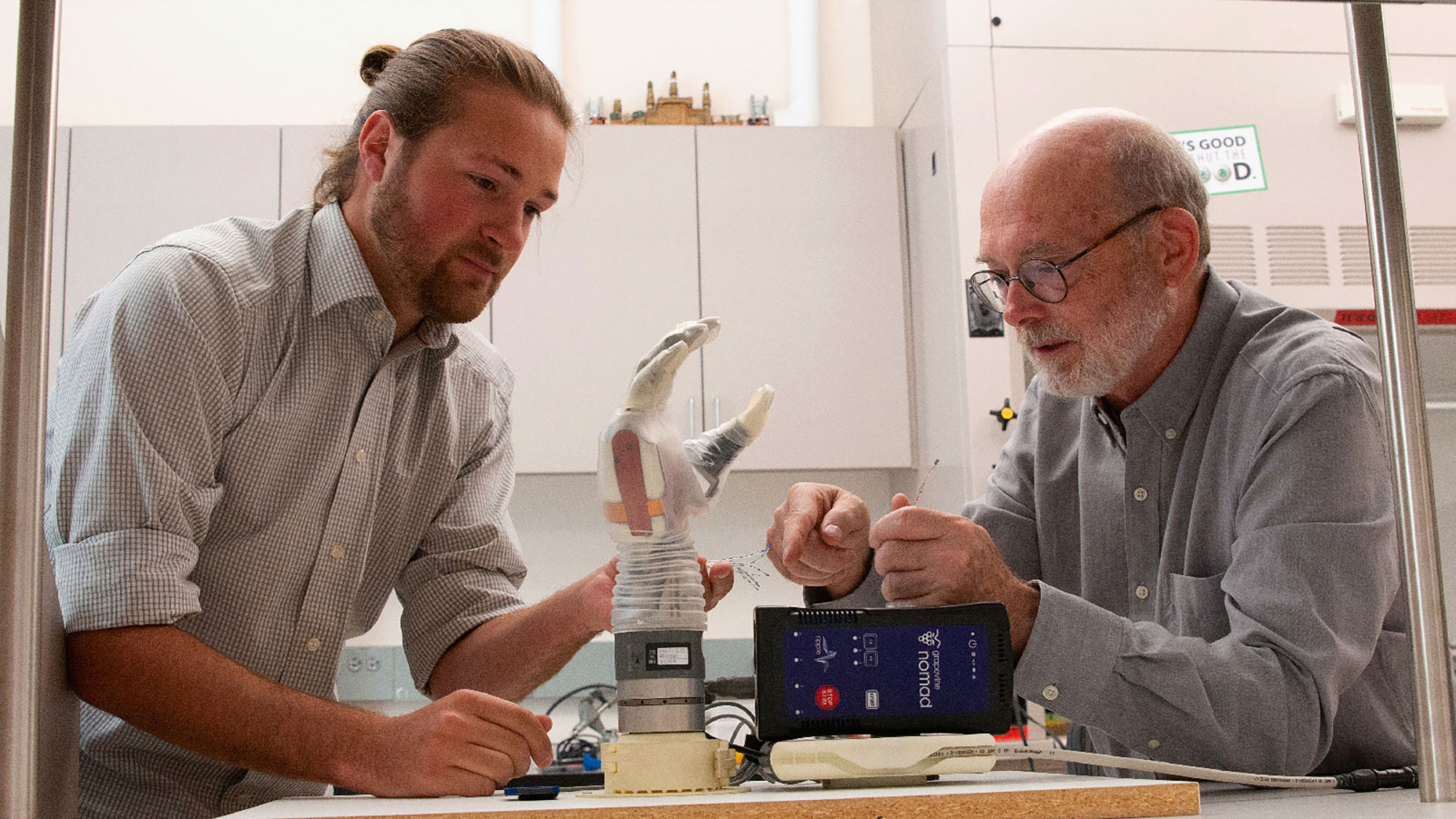
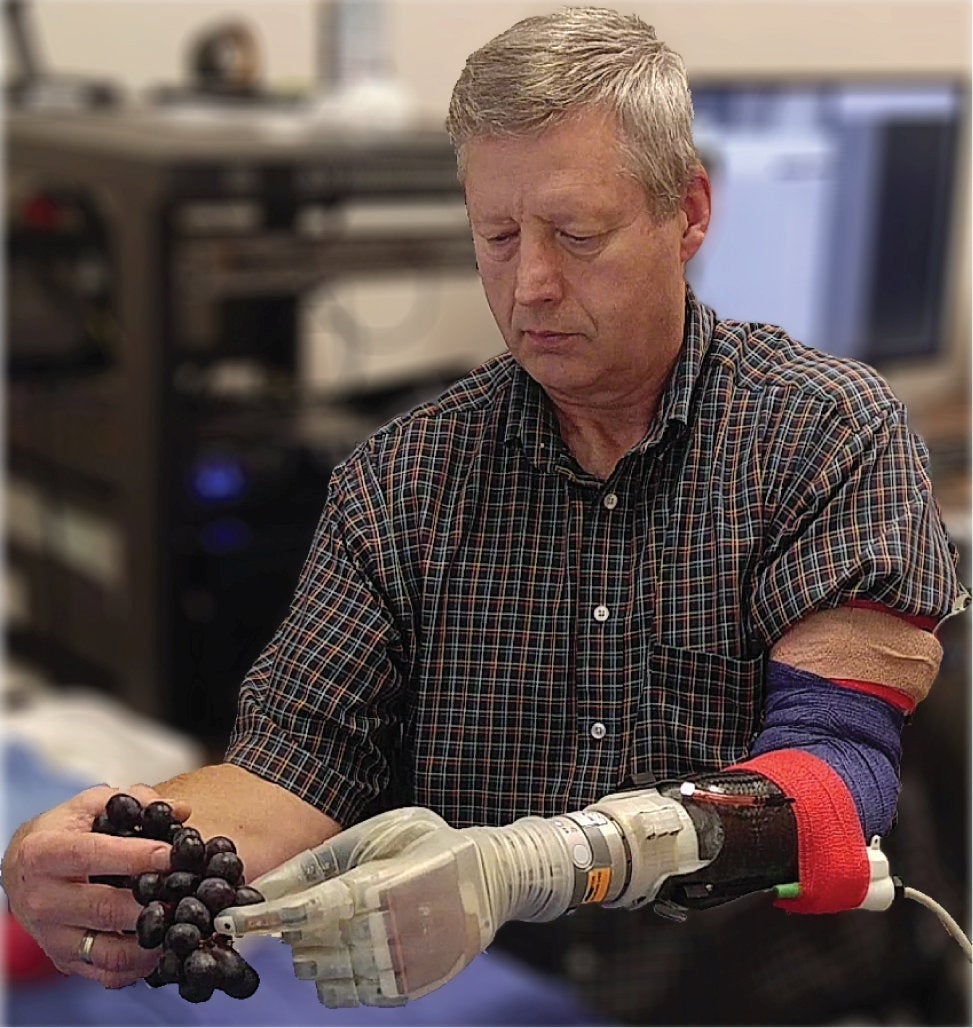
BIOS is pioneering a Universal Neural Interface that intercepts, captures, and edits neural signals — creating a bridge between the human nervous system and advanced prosthetic devices. This breakthrough technology addresses a critical challenge in prosthetic adoption: many users abandon devices due to limited control or lack of sensory feedback. BIOS’ innovations are designed to change that, making prosthetics that move and feel like a biological limb.

The company’s recognition is more than just an award — it’s a testament to the power of research translation and the impact of collaborative innovation. What began as an ambitious idea in our lab has grown into a technology with the potential to transform the lives of people with limb loss and neurological conditions.

We congratulate the BIOS team on this well-deserved honor and look forward to continuing our shared mission of advancing human-machine integration to improve quality of life.

🏆 Read the full announcement on Utah Business.

Inside the Future of Neurotech: Touring the BIOS Lab at the University of Utah

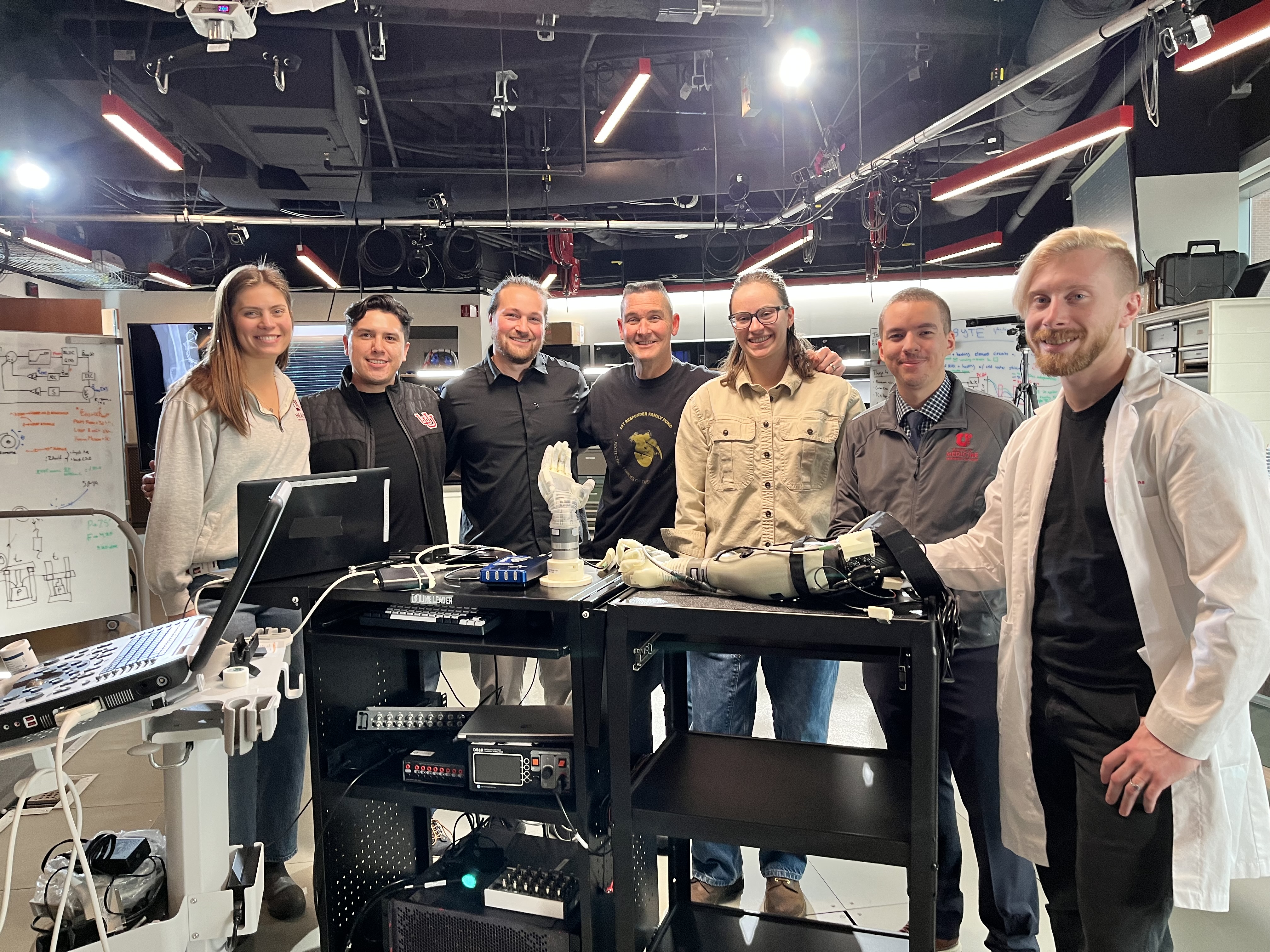
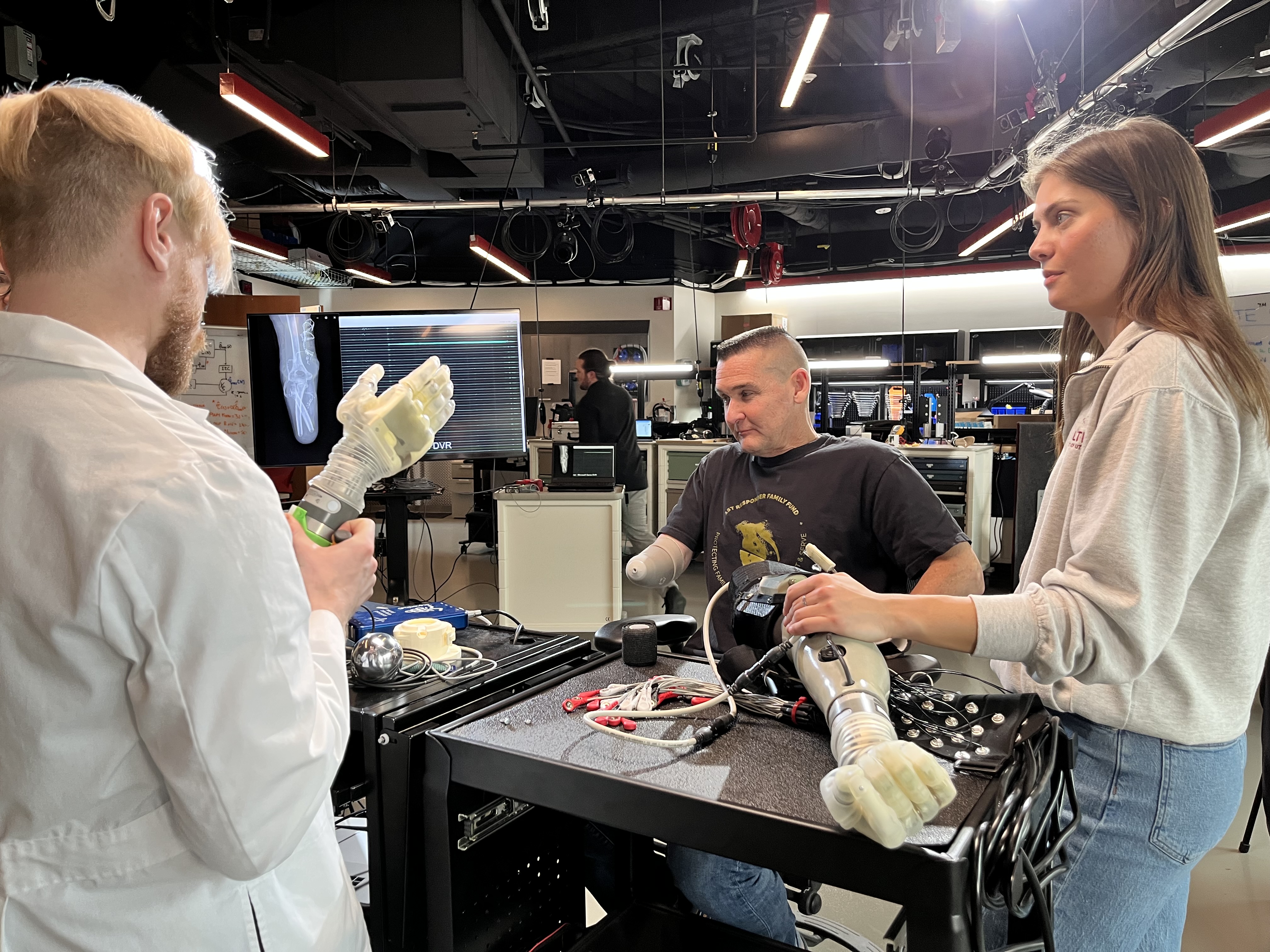
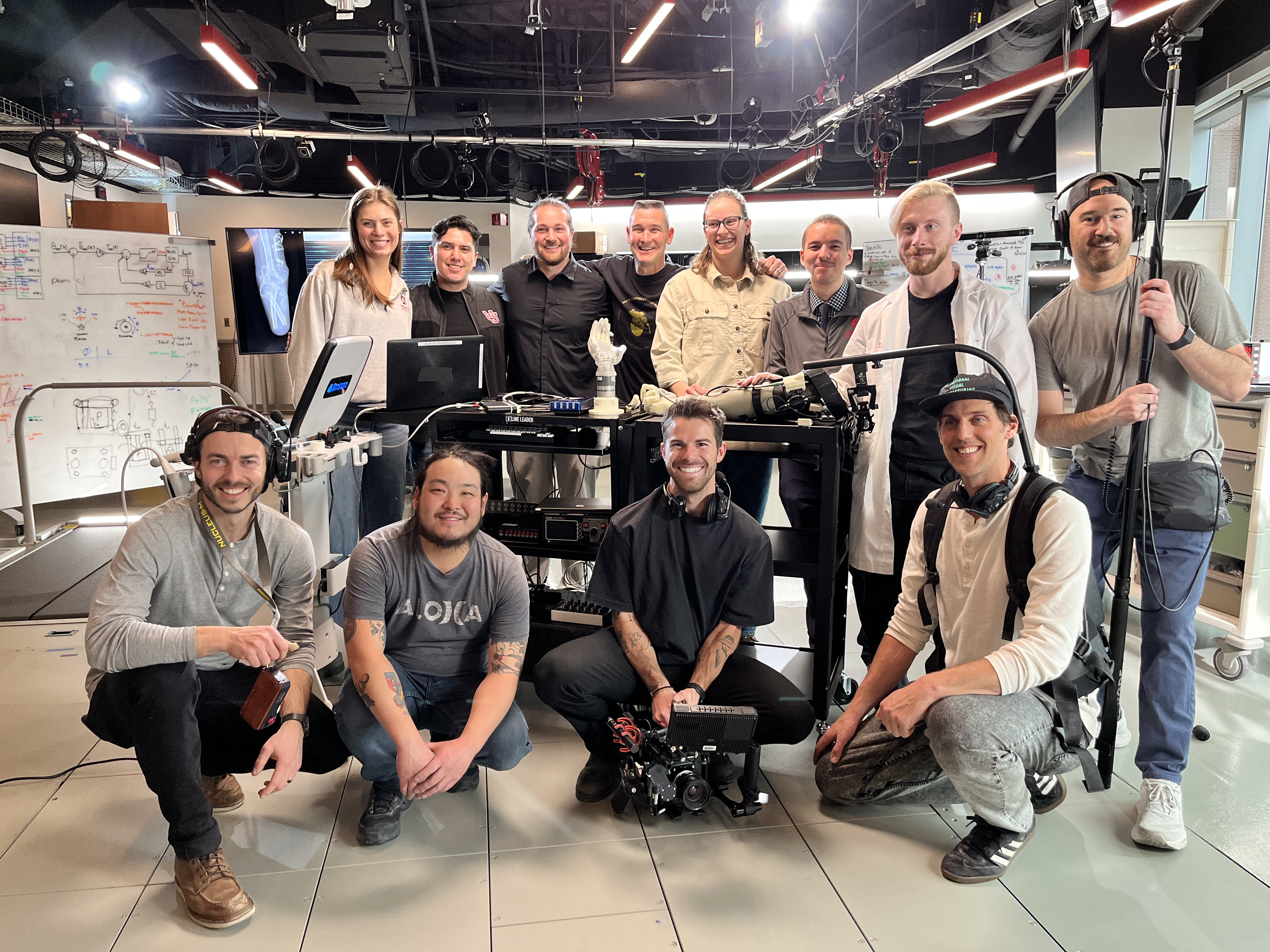
BioUtah recently toured the groundbreaking Biologic Input Output Systems (BIOS) Lab at the Craig H. Neilsen Rehabilitation Hospital—where cutting-edge neurotechnology, AI, and robotics converge. With innovations like the LUKE Arm, BIOS and the University of Utah’s NeuroRobotics Lab are redefining what’s possible in prosthetic mobility and sensory feedback. Joined by key partners and policymakers, this visit highlighted Utah’s leadership in life-changing medical innovation.

Linkedin Post


Closing the Gap: Making Advanced Neuroprosthetics Accessible to All

In a recent Financial Times article, the LUKE Arm and other AI-powered prosthetics were spotlighted as groundbreaking yet financially out of reach for many amputees. At the NeuroRobotics Lab, we recognize this challenge—and are committed to driving down costs while pushing the boundaries of human–machine integration. Our work isn’t just about innovation—it’s about ensuring life-changing technology becomes truly life-accessible.

Financial Times Article
Linkedin Post

Sci-Fi Tech Helping Veterans: University of Utah’s LUKE Arm on Fox 13

Fox 13 explores how the LUKE Arm, developed at the University of Utah, is transforming the lives of veterans. This segment delves into the real-world impact of the bionic prosthetic, emphasizing how cutting-edge research is making a tangible difference for those who need it most.

https://www.fox13now.com/news/local-news/how-the-university-of-utah-is-using-sci-fi-technology-to-help-veterans


Sci-Fi Becomes Reality: LUKE Arm Showcased at the Big Game

Hoodline magazine highlights how the LUKE Arm took center stage at one of the biggest sporting events of the year. With its groundbreaking prosthetic technology, the LUKE Arm is pushing the boundaries of what’s possible, bringing a once sci-fi concept into real-world use.

https://hoodline.com/2025/02/sci-fi-turned-reality-university-of-utah-s-luke-arm-steals-spotlight-at-big-game-with-revolutionary-prosthetic-tech/

New publication in the Journal of NeuroEngineering and Rehabilitation!

A paper led by Caleb Thomson was recently published in the Journal of NeuroEngineering and Rehabilitation. The paper is titled: “Proportional myoelectric control of a virtual bionic arm in participants with hemiparesis, muscle spasticity, and impaired range of motion” and was coauthored by Fredi R Mino, Danielle R Lopez, Patrick P Maitre, Steven R Edgley and Jacob A George.

This project investigated the ability of stroke patients with hemiparesis to use proportional myoelectric controls.

LinkedIn Post

Link to Paper

New publication in the Journal of Neural Engineering

A paper led by Caleb Thomson was recently published in the Journal of Neural Engineering. The paper is titled: “Enhancing neuroprosthesis calibration: the advantage of integrating prior training over exclusive use of new data” and was coauthored by Troy N Tully, Eric S Stone, Christian B Morrell, Erik J Scheme, David J Warren, Douglas T Hutchinson, Gregory A Clark and Jacob A George.

LinkedIn Post

Link to Paper