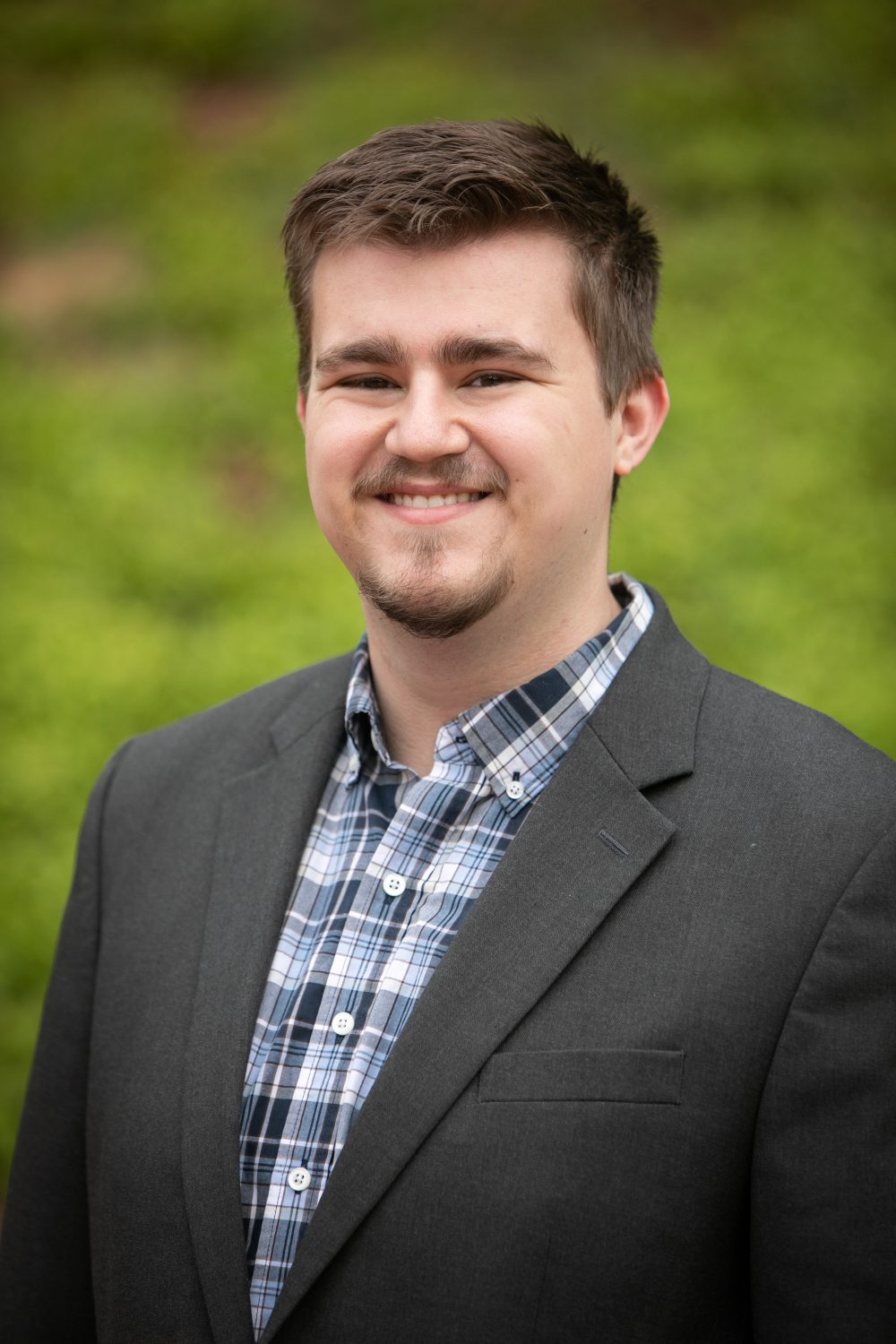
Clay Stanley awarded the NIH fellowship

University of Utah Electrical engineering Ph.D. student Clay Stanley received a $144,000 two-year fellowship from the National Institute of Health for individuals with a disability. These funds will support Stanley as he continues his research on non-invasive transcutaneous functional electrical stimulation.

Stanley learned about the NeuroRobotics lab from the family member of a previous inpatient of the Neilsen Rehabilitation Hospital (NRH), where the NeuroRobotics lab is located.  The lab is run by assistant professor Jacob George, who mentors dozens of students on projects for neurorobotic technology. The majority of these projects focus on the advancement of rehabilitation technology for amputees, stroke, and spinal cord injury survivors.

After a traumatic spinal cord injury (SCI) in 2011, Stanley credits improvements in his recovery to extensive physical and occupational therapy research programs established by the NeuroRecovery Network (NRN). In 2015, he participated in an NRN program that used an FES algorithm with positive results on SCI patient rehabilitation outcomes.

One of the senior Ph.D. students in the lab, Marshall Trout, has worked on the development of new FES technology as one of his research aims. Stanley has continued the work of one of these projects that deals with the use of a multi-electrode stimulator to activate the paretic hand of individuals with neurological impairments of the upper extremity.

Modern FES systems can activate paretic muscles, however there is difficulty in activating the muscles in a way that can help patients make functional movements. The two years of funds from the NIH can support Stanley as he pursues his research aim of improving FES therapy for rehabilitation. His goal is to improve FES devices to better assist patients in rehabilitation with more effective hardware, software, and algorithm designs.

Utah Neurorobotics Lab members win proposal grant at the RAC Grand Challenge

The Utah Neurorobotics Lab won a $100,000 grant from the Remote and Austere Conditions Grand Challenge, presented by the University of Utah’s Office of the Vice President for Research. The RAC Grand Challenge was created “as a pioneering initiative to stimulate and support innovative research focused on developing new techniques, technologies, and methods for remote and austere environments”, intending to “drive advancements and societal impact that address the unique challenges of these environments.”

Our proposal was titled “FrostByte: A Wearable Temperature Monitoring System for Frostbite Prevention and Research.” The project leverages a prototype wearable glove developed by our lab to monitor and prevent frostbite. The current device consists of a simple glove liner with a few thermocouples wired to a heating element to activate in case of extreme temperatures, but this simple device could have a big impact on clinical care. 1 in 10 people who live in cold climates get frostbite at some point in their life, and that number gets as high as 1 in 3 for those who recreate in the cold. 30% of frostbite cases result in amputation.

Under principal investigators Jacob George, PhD, and Scott McIntosh, MD, a team of MDs and PhDs were assisted by lab members Connor Olsen and Sophie Nelson. Congratulations team!

You can find more information on the RAC Grand Challenge here.

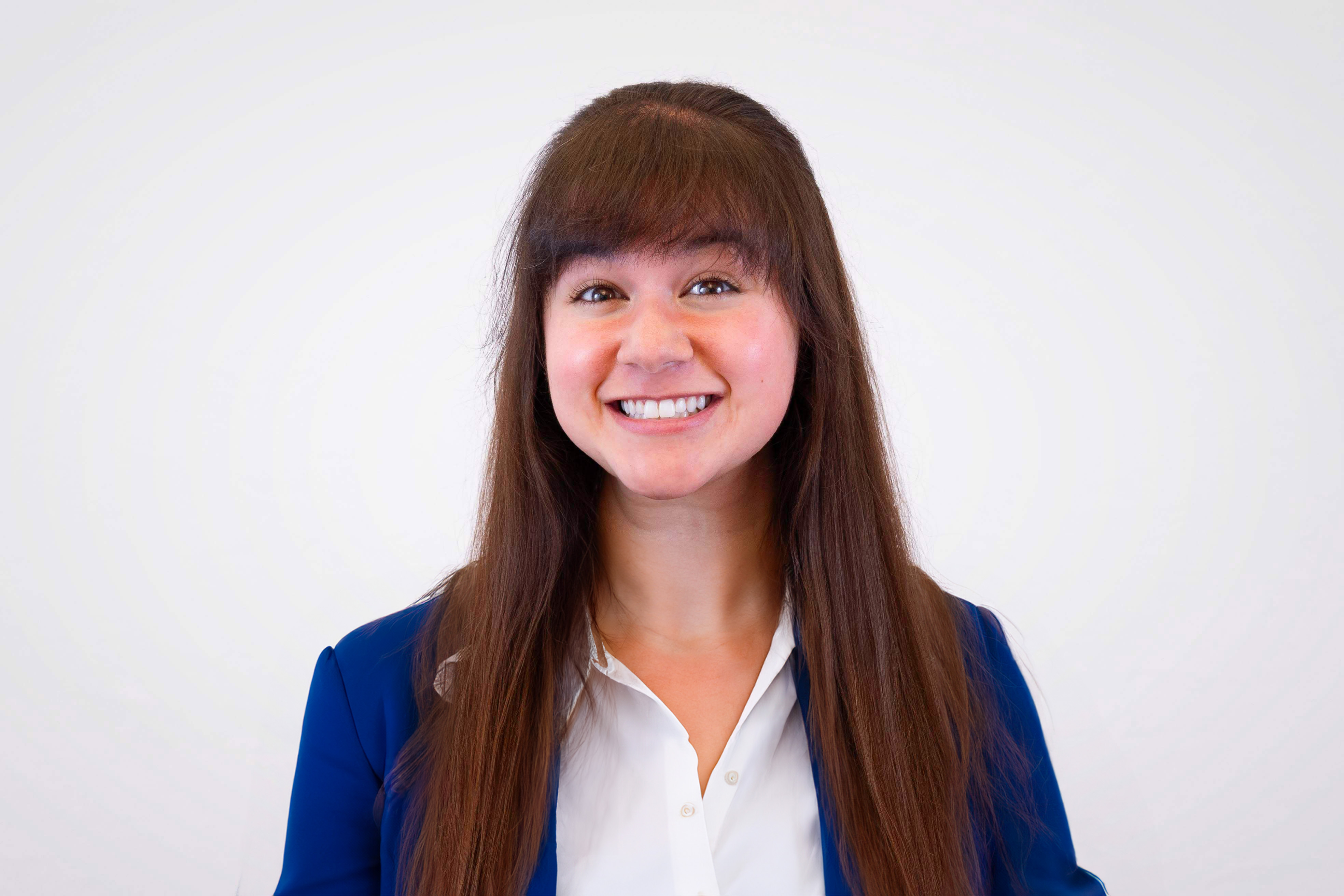
Abby Citterman receives O&P Foundation Chester Haddan Scholarship

The Orthotics and Prosthetics Foundation for Education and Research with the American Board for Certification in Orthotics, Prosthetics, and Pedorthics (ABC) offer a scholarship to support individuals pursuing a clinical Master’s degree in orthotics and prosthetics (O&P). Research fellow Abby Citterman has been awarded the Chester Haddan Scholarship for 2024, which includes a $2,500 cash award.

“Abigail is a recent graduate of Northwestern University Prosthetics-Orthotics Center, an incoming NCOPE resident with Gillette Children’s, and a research fellow with the Utah NeuroRobotics Lab, developing and validating novel rehabilitative technologies for individuals with neuromuscular disabilities. She has a specialized interest in the convergence of neural engineering, O&P, and design. Abby is especially passionate about helping bridge the gap between cutting-edge innovation in academia and the most optimal, personalized patient care. She also loves exploring the outdoors, creating art, and making music. Abby is deeply honored to be recognized as the recipient of the Chester Haddan Scholarship and is inspired by his legacy of innovation, leadership, and service.”

Congratulations Abby!

Dr. Jacob George featured as expert in article discussing spinal cord stimulator

A recent article by Luisa Torres, PhD, in Drug Discovery News featured Dr. Jacob George in a discussion about the use of spinal cord stimulators in patients with lower-limb amputations. A recent Nature Biomedical Engineering study used spinal cord stimulation to restore the sense of touch, improve balance, and reduce phantom limb pain in patients with amputation below the knee. Dr. George discussed the benefits and use of such technology as an industry expert in response to this study. The full article can be read here.

Dr. Jacob George to serve on healthcare panel for AI Industry Partnership Summit

Dr. Jacob George will be serving as a member of the healthcare panel discussion at the One-Utah Responsible AI Initiative (RAI) Industry Partnership Summit on June 10th. The RAI group hopes to catalyze transdisciplinary excellence in responsible AI at the University of Utah, with the summit featuring multiple discussions on workforce, infrastructure, healthcare, and policy. You can learn more about the One-U Responsible AI Initiative here. Congrats Dr. George!

Dr. Jacob George Presents at 3rd Annual Limb Preservation Foundation’s Limb Symposium

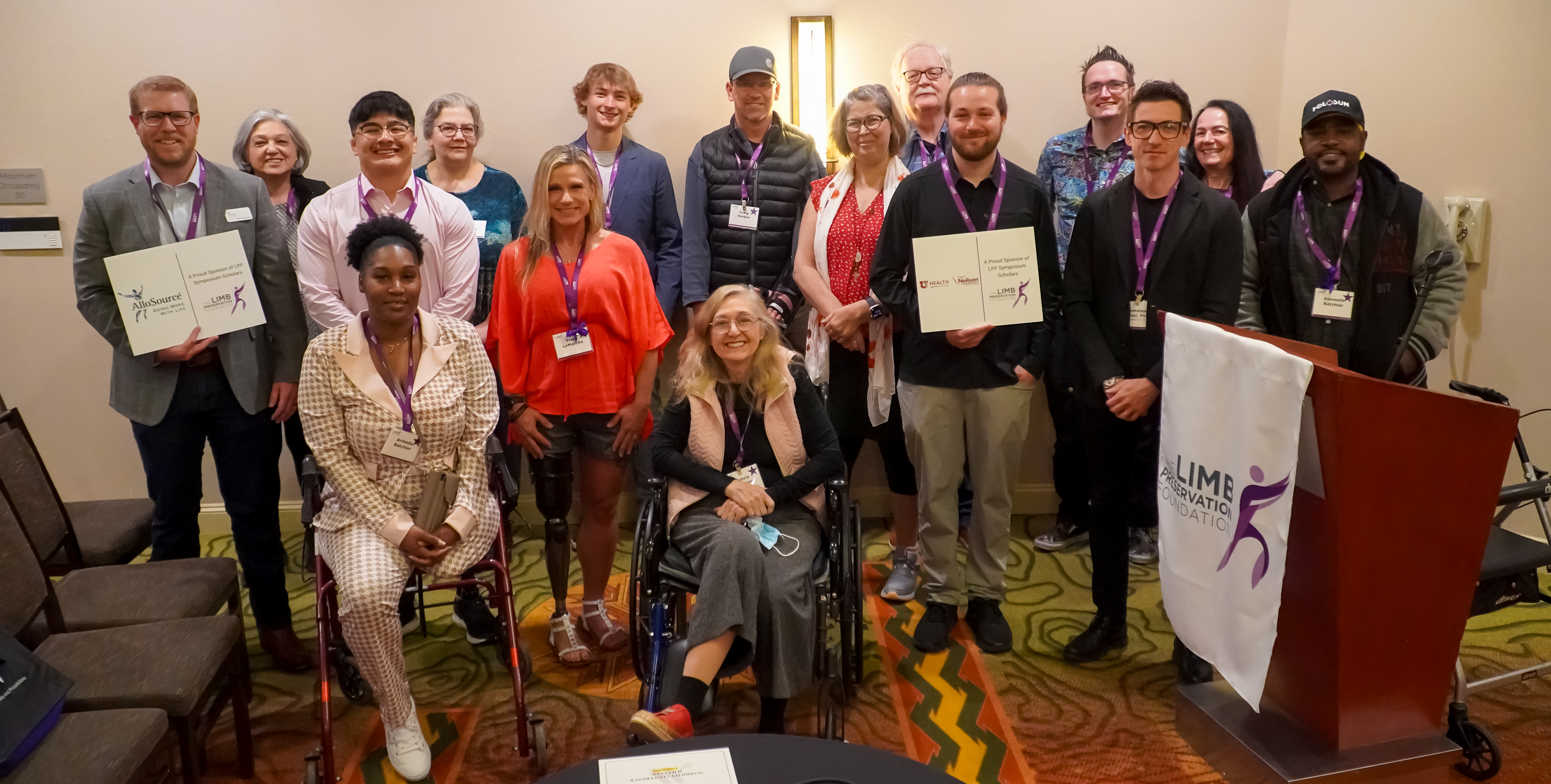
Dr. Jacob George attended the 3rd Annual Limb Preservation Foundation’s Limb Symposium on April 19th in Golden, Colorado, where he presented the keynote speech titled “Future Forces: What’s Next in Bionic Legs and Arms”. The University of Utah’s PM&R Department also supported the Hope Beyond Limits Symposium by sponsoring a scholarship breakfast, which created networking opportunities for scholars and enabled 20 limb survivors and caregivers to participate in the event.

2024 Annual Lab Ski Day

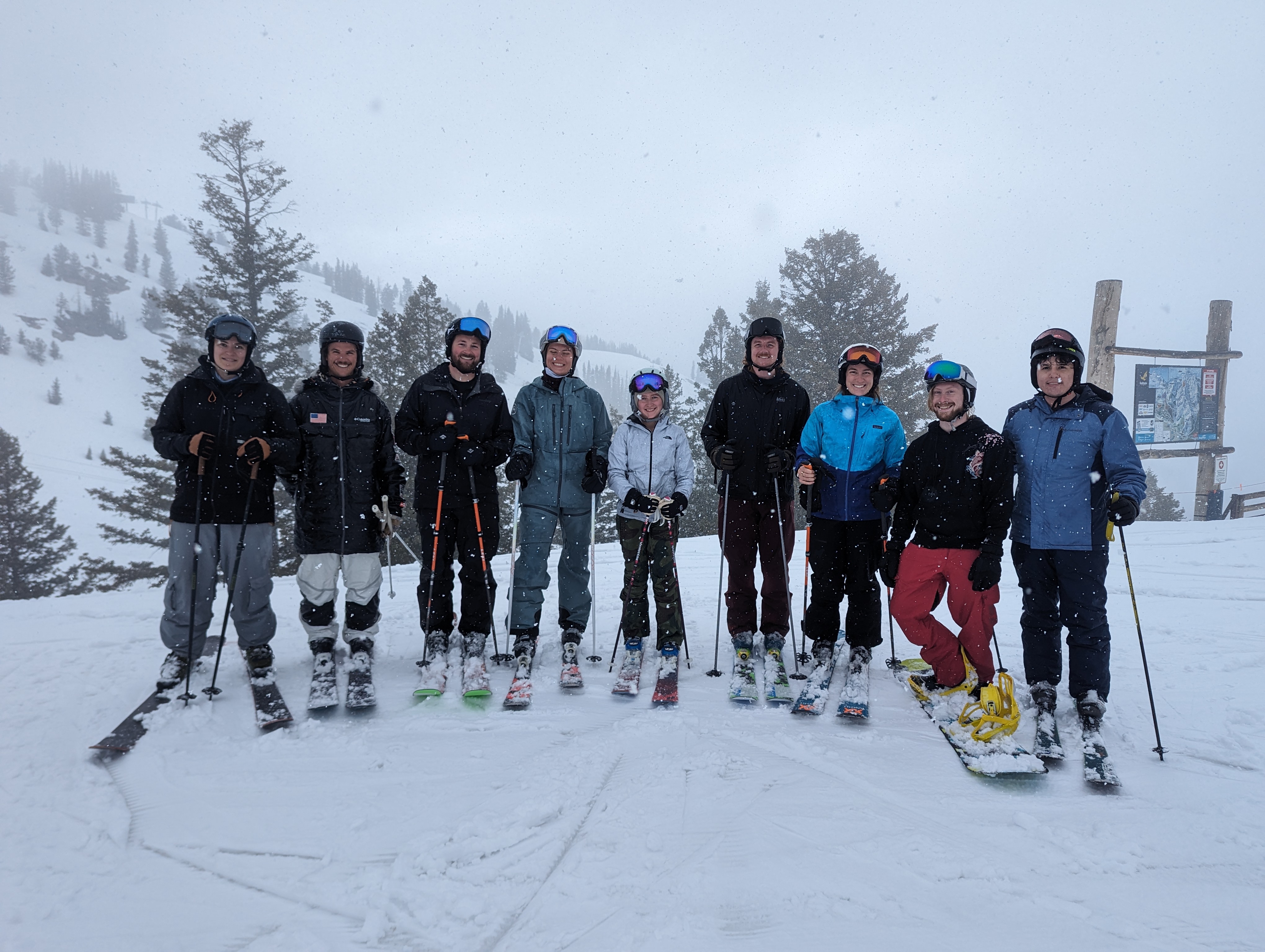
Another great annual lab ski day! This year we went to Solitude with some uncertain conditions in the forecast. We always plan our annual ski day in the Spring, around late April, when there's a good chance for a warm sunny spring skiing day. This year, the forecast called for cold rain! We went up anyway, and fortunately the forecast was wrong! It was light snow most of the morning, blue skies in the afternoon, and then it started snowing again after lunch. It turned out to be surprisingly good snow for such a late season storm. We had some pizza, beer, and shots (?!) at The Thirsty Squirrel bar in Solitude Village. A great time as always!