New Funding for “LUKE Arm” Neuroprosthesis

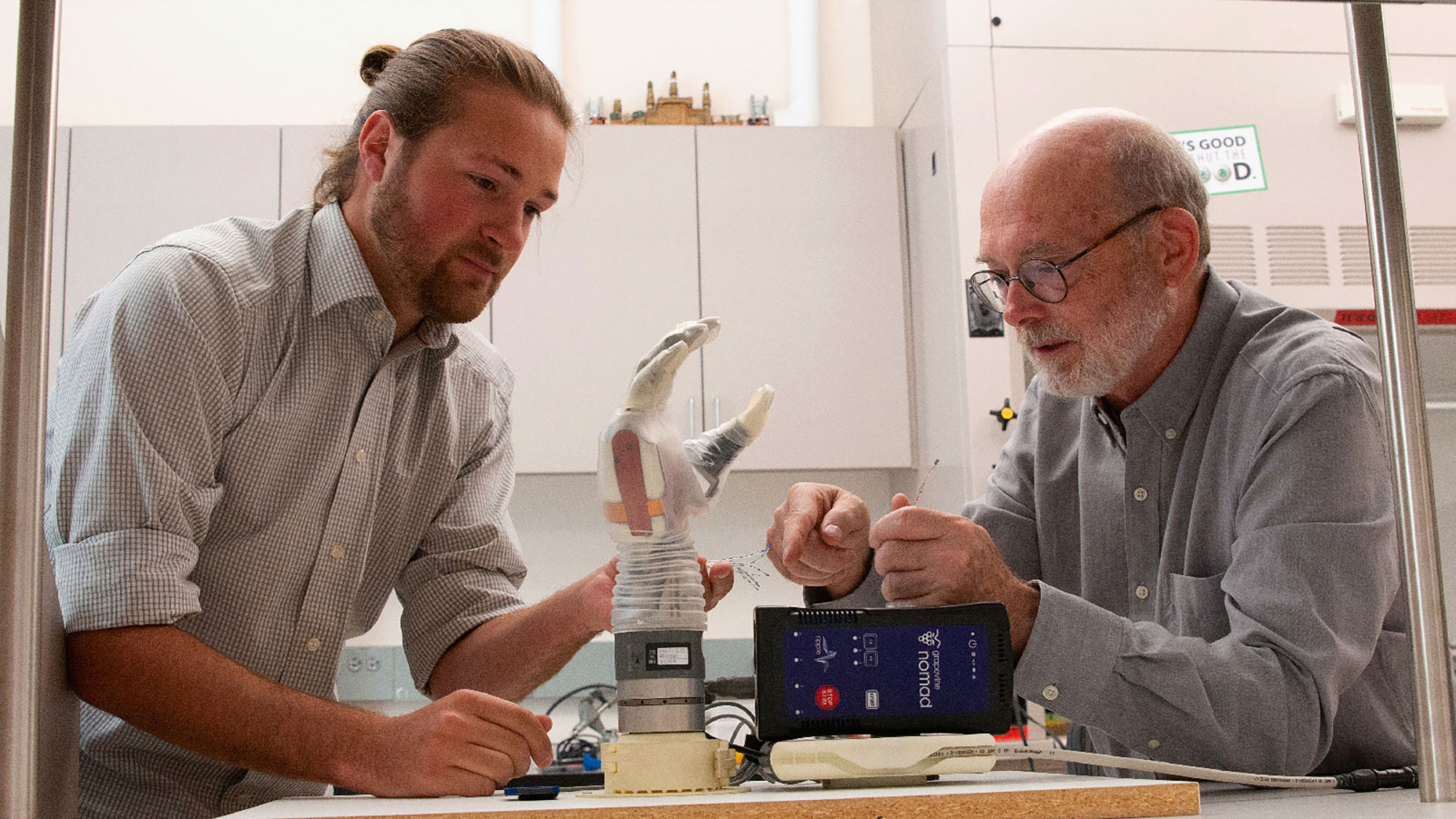
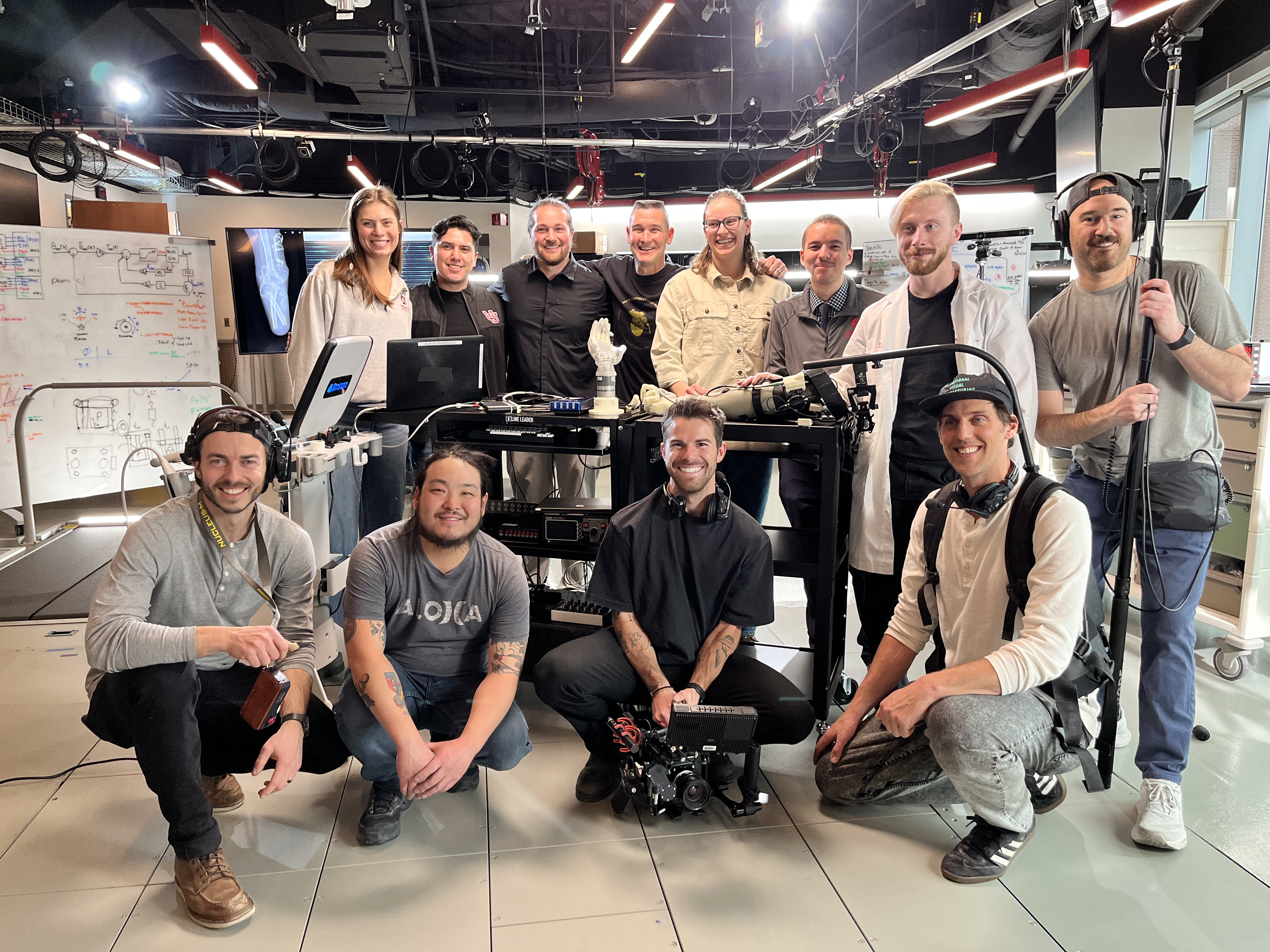
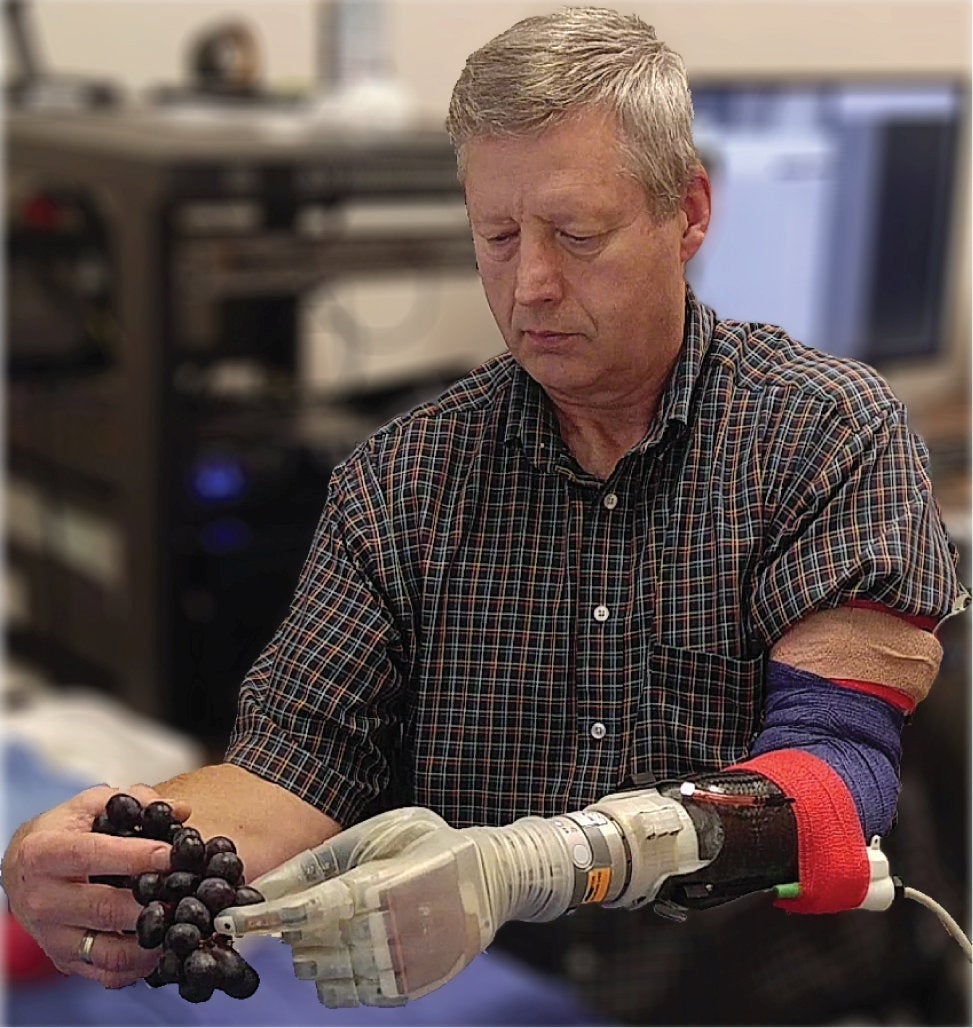
The Utah NeuroRobotics Lab was awarded a $300,000 contract from the company Biologic Input Output Systems (BIOS) to continue the lab's ongoing Investigational Device Exception Early Feasibility Study for the "LUKE Arm" neuroprosthesis. The lab is now actively recruiting one transradial amputee to enroll in the ongoing clinical trial. This individual will have Utah Slanted Electrode Arrays (USEAs) and intramuscular electromyographic recording leads (iEMGs) implanted into their residual arm nerves and muscles. This neural interface will then allow them to control a multiarticulate bionic arm simply with their thoughts, as well as receive a sense of touch coming back from the bionic arm. This upcoming patient will be the 9th patient in this clinical trial, and will receive the latest version of the technology, featuring new software that enhances dexterity and ease of use. Most importantly, this patient will be the first patient to take the device home and use it in a completely unsupervised manner. In the past, patients had to visit the lab to use the bionic arm under supervision of PhD-level engineers. Now, thanks to advancements made by the University of Utah and BIOS patients will be able to take home the device for use in their own activities of daily living.

This next phase of the project marks an exciting step towards the commercialization and real-world implementation of an advanced neuroprosthesis. This project also represents an ongoing academic-industry partnership between the University of Utah and BIOS. BIOS is a startup company associated with the University of Utah. In 2022, BIOS executed a software licensing agreement with the University of Utah for the technology behind the neuroprosthesis, which now serves as the core intellectual property for BIOS's flagship neuroprosthesis product. Dr. George, director of the Utah NeuroRobotics Lab, also serves as the Chief Scientist for BIOS. The USEAs used in this project are also manufactured by Blackrock Neurotech, another University of Utah associated company.

Presentations at Utah BME Conference

Congrats to our presenters at the 2025 Annual Utah Biomedical Engineering Conference. This includes: Troy Tully, Caleb Thomson, Monika Buczak, Clay Stanley, Abigail Harrison, Connor Olsen, Mingchuan Cheng, Josh Gubler, and Kaysen Hansen! The Utah NeuroRobotics Lab was represented well!

Lab Spinoff Raises $350K

University of Utah affiliated startup, Biologic Input Output Systems (BIOS), recently received a $350,000 investment from the Utah Innovation Fund. BIOS is a neurotech startup working to commercialize a peripheral nerve interface for prosthetics and beyond. The technology behind BIOS was developed at the Utah NeuroRobotics Lab, and Dr. George serves as chief scientist for BIOS to support their technology development. The Utah Innovation Fund supports early-stage startups in Utah by providing capital, mentorship, and resources to drive innovation and growth. Focused on fostering entrepreneurship, the fund aims to accelerate the development of groundbreaking technologies and ideas, strengthening the local economy and advancing Utah’s position as a hub for innovation.

Read more about the investment and company here: https://www.utahbusiness.com/why-utah-innovation-fund-invested-in-bios/

Dr. George Presents at AOPA

At the American Orthotic & Prosthetic Association National Assembly, Dr. George served as a panelist for a session titled "Powered Upper Extremity Bracing: A Review of Reimbursement, Current Technology, and Clinical Opportunities." Dr. George presented on next generation control systems for powered upper extremity braces. His talk featured work from PhD students Caleb Thomson, Connor Olsen, and Fredi Mino which show that stroke patients can use residual muscle activity from their paretic limb to provide dexterous control of the MyoPro exoskeleton. To achieve this, the Utah NeuroRobotics Lab uses high density EMG combined with deep learning.

This panel was in collaboration with Myomo, the leading manufacturer of powered upper-limb orthotics. In April this year, Myomo received new medicare reimbursement codes to fully cover the cost of the MyoPro exoskeleton. It is expected that the number of powered upper-limb orthoses are the market will sharply increase as a result.

Dr. George gives expert opinion on “Third Arm”

Dr. George was recently featured in an article as an expert opinion on the impact and future of new research regarding a "third arm." Researchers at EPFL recently developed a robotic arm that can be controlled voluntarily, in coordination with your other hands, by modulating your diaphragm muscles. Dr. George reviewed the research as a part of this news release and noted how controlling an additional arm, as opposed to controlling a replacement arm, is a much more difficult and interesting challenge. Dr. George regularly provides expert opinions on the latest research in neurorobotic technology.

You can read the news article here: https://www.snexplores.org/article/robotic-arm-gives-extra-hand

New Tech Transfer Grant

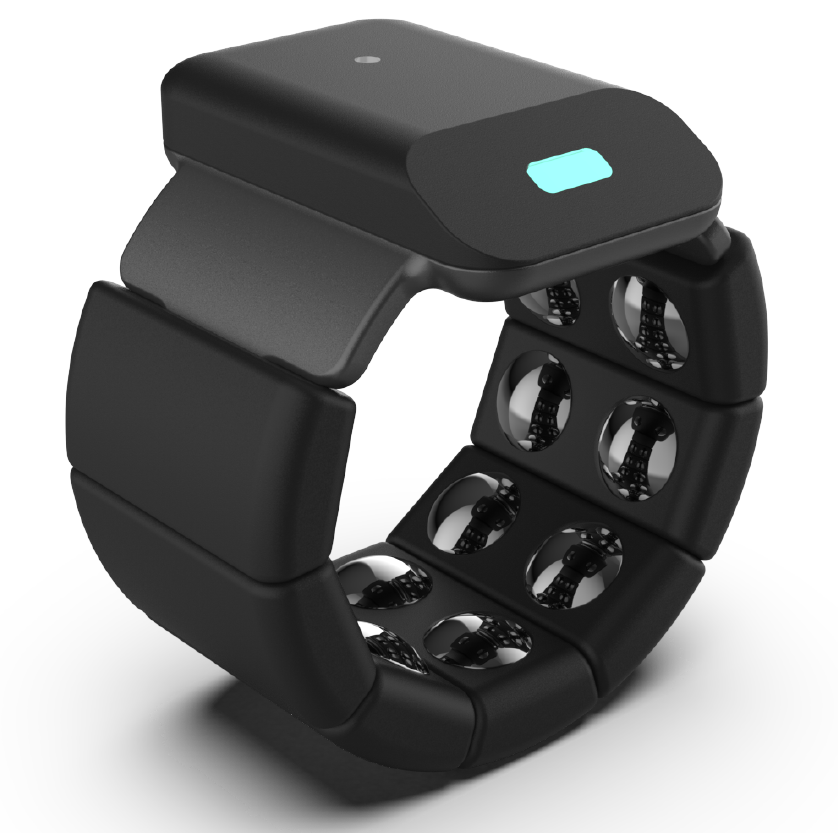
The Utah NeuroRobotics Lab was recently awarded awarded a $100,000 grant to continue the development of our wearable haptic feedback device! This is a technology commercialization grant to help advance our prototype into a wearable wrist-worn formfactor like a smartwatch. The technology uses transcutaneous nerve stimulation at the wrist to create haptic sensations on the fingertips. This technology is unique in that it creates a sensation on your hand and fingers without obstructing your hands. This is a step forward beyond existing virtual-reality interfaces (i.e., instrumented gloves or handheld controllers) prohibit simultaneous interactions with physical and digital objects. Our technology also offers an advantage over existing AR interfaces that neglect sensory feedback altogether or require the user to remap digital sensations on the hand to physical sensations felt elsewhere on the body (e.g., a vibrating wristband).

Dr. George thanked his large interdisciplinary team who helped make this grant happen. This includes:

  • Abby Citterman and Marta Iversen who helped write the grant.
  • Marshall Trout and Chandler Welch who developed and validated the wrist-worn circuitry that will serve as a basis for our smartwatch prototype.
  • Abby Harrison and Troy Tully who helped establish and validate the VR application of this technology.
  • As well as Kaysen Hansen, Ava Folkman, and Rebecca Urban who have been pushing our scientific knowledge of transcutaneous electrical nerve stimulation at the wrist.

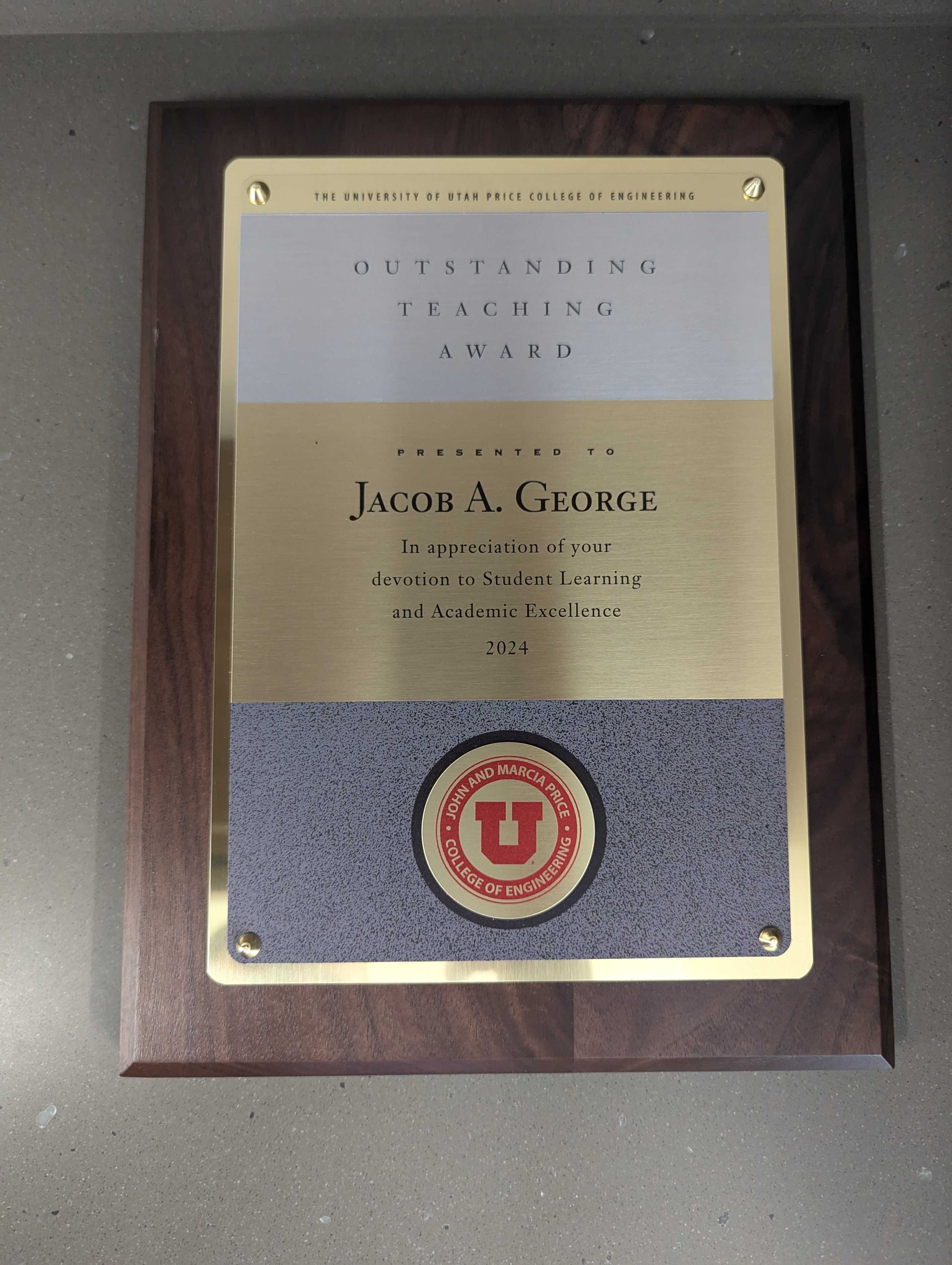
Dr. Jacob George awarded Outstanding Teaching Award from the College of Engineering

Last week, I was awarded the Outstanding Teaching Award from the College of Engineering! This is a pretty big win since I was up against faculty of all ranks, many of whom have been teaching for a lot longer than I have been.

What I’ve learned is that teaching is hard! It really takes a village to deliver a quality learning experience, especially in a new area like neurotech where there are no textbooks or standardized lab equipment. This award is really a reflection of the village that makes my courses possible. This includes:

  • Caleb Thomson, as the initial TA for my NeuroRobotics Class who did a TON of legwork to get all the labs started.
  • Fredi Mino, who took as TA and continued to improve the labs in lots of exciting ways.
  • Marshall Trout, who developed the hardware that makes the stimulation labs possible.
  • Abby Harrison and Clay Stanley, who have taken up the mantle to continue supporting the stimulation hardware.
  • Connor Olsen, who lead the development of my undergraduate Robotics class and served as an award-winning TA.
  • Marta M. Iversen, who has been an excellent teaching mentor and sounding board for countless ideas and challenges.
  • Abby Citterman and Connor Olsen, for writing letters of recommendation for my application to this award.
  • Many others who volunteer their time each semester to help grade and/or serve as an extra hands-on deck to support the labs and final projects in both classes.
  • And all of my students who have likely taken one of my classes at some point, supporting their enrollment and growth, and providing the critical feedback to improve the course. Oh, and the good course evaluations definitely help!

Thank you all for your contributions to this great achievement. It’s been a fun teaching journey, and I look forward to more exciting things to come with the new courses we’re developing next to support the new neurotech program.

-Dr. Jacob George